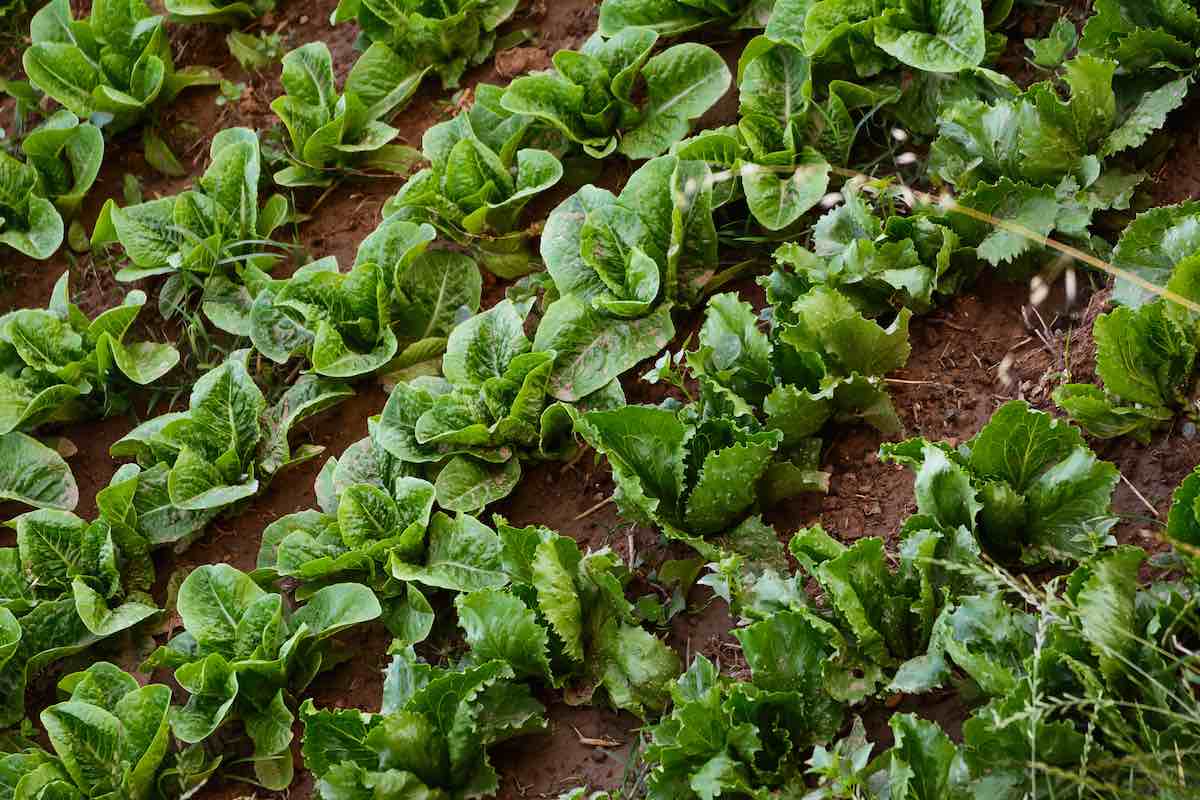
Unlock the Secrets to Thriving Escarole: Cool Climate, Moist Soil & Ample Sun
Escarole, with its wonderfully bitter-sweet crunch, is a highly prized salad green, appreciated by home cooks and gourmet chefs alike. Renowned for its delicious, slightly ruffled leaves and its surprising hardiness, cultivating this versatile chicory can be a deeply rewarding experience. However, to truly unlock its full potential and ensure a bountiful, crisp harvest, gardeners must understand and provide the optimal conditions it craves. The key to successfully growing escarole lies in mastering three fundamental elements: a cool climate, consistently moist (but never waterlogged) soil, and generous exposure to sunlight.
This comprehensive guide will delve into the essential practices, from seed selection and soil preparation to vigilant care and timely harvesting, ensuring your escarole plants thrive from germination to your dinner plate. Forget soggy, bitter leaves – with the right approach, you’ll be enjoying vibrant, tender escarole that elevates any meal.
The Foundation for Success: Ideal Location and Soil Preparation
The journey to successfully growing escarole begins long before the first seed touches the earth. Choosing the right location and meticulously preparing your soil are paramount. Escarole, like many leafy greens, has specific preferences that, when met, lead to robust health and superior flavor.
Choosing the Perfect Spot
Your chosen location must offer two critical conditions: well-draining soil and ample sunlight. While escarole appreciates cooler temperatures, it still requires a significant amount of light to fuel its leafy growth. Aim for a spot that receives at least 6 hours of direct sunlight daily. This consistent light exposure is crucial for photosynthesis, allowing the plant to produce the sugars necessary for strong development and desirable flavor. In regions with intense summer heat, consider a location that offers some afternoon shade to protect the plants from scorching and premature bolting.
Well-draining soil is equally vital. Escarole's roots, like most plants, need oxygen. Waterlogged conditions suffocate roots, leading to root rot and severely stunting growth. If your garden soil is heavy clay, don't despair; proper preparation can transform it into an ideal growing medium.
Preparing Your Soil
Escarole thrives in soil that is rich in organic matter. This not only provides a steady supply of essential nutrients but also improves soil structure, enhancing both drainage and moisture retention – a delicate balance crucial for escarole's needs. Begin by loosening the soil to a depth of approximately 6-8 inches. This ensures good aeration and allows roots to spread freely. Thoroughly remove any weeds, rocks, or debris that might compete with your young escarole plants for resources or impede their growth.
Once the soil is loose and clean, generously incorporate organic compost. Well-rotted manure, leaf mold, or a high-quality bagged compost are excellent choices. Mix these amendments thoroughly into the top 6-8 inches of soil. This enriched soil will offer a nutrient-dense, friable environment that promotes vigorous root development and supports the abundant leafy growth that makes escarole so desirable.
Mastering the Sowing Process: Timing is Everything for Escarole
Understanding when and how to sow your escarole seeds is a critical "secret" to success. Escarole's strong preference for cool weather directly influences sowing times, dictating whether you'll enjoy a crisp spring, summer, or fall harvest. The goal is to avoid extreme heat, which can cause the plants to "bolt" (go to seed prematurely), resulting in bitter, tough leaves.
Optimal Sowing Timelines
Escarole is incredibly versatile, allowing for year-round cultivation in many climates, provided you offer protection during harsh conditions. Here’s a general guide:
- Spring Escarole: For an early harvest, start seeds indoors in a nursery setting during February or March. Once the danger of hard frost has passed, usually in late spring, you can transplant these seedlings outdoors. Protecting young plants with cold frames, garden cloches, or temporary tunnels is highly recommended if you start early.
- Summer Escarole: Sow seeds directly into your garden plot from April to June. These plantings will mature during the cooler parts of summer or early fall, often benefiting from any natural temperature dips.
- Fall Escarole: To enjoy fresh escarole deep into autumn, sow seeds directly in situ from May to June. These plants will develop through the summer and reach maturity as temperatures begin to cool.
- Winter Escarole: For those in milder climates or with adequate protection, sow seeds in a nursery from August to October. These can be grown under cover for a winter harvest or transplanted early the following spring.
For more detailed seasonal guidance on planting and harvesting, explore our article: Sow & Harvest Escarole: Your Seasonal Guide to Year-Round Greens.
Planting Your Escarole Seeds
Once your soil is ready and your timing is right, it's time to plant. Sow escarole seeds approximately 1/4 to 1/2 inch deep. For optimal growth and to ensure each plant receives adequate space, initially space the seeds about 6-8 inches apart in rows. After germination and once seedlings have developed a few true leaves, thin them down to one plant every 10-12 inches. This wider spacing is crucial for promoting good air circulation, preventing disease, and allowing each plant to develop a large, healthy head. Immediately after planting, water the seeds gently but thoroughly to settle them into the soil.
Nurturing Your Escarole: Watering, Sunlight & Protection
Once your escarole seeds have sprouted, consistent care is vital. Maintaining the right balance of moisture, ensuring adequate sunlight, and actively protecting your plants will guide them from tender seedlings to robust, harvest-ready heads.
The Art of Watering
Consistent watering is paramount for growing escarole. The soil should be kept evenly moist but never waterlogged. This distinction is critical: constantly soggy soil leads to root rot, a common killer of escarole plants. Aim for deep, infrequent watering rather than shallow, frequent sprinkles. To check moisture levels, simply stick your finger about an inch into the soil; if it feels dry, it's time to water.
The best time to water escarole is in the morning. This allows any moisture on the leaves to evaporate throughout the day, significantly reducing the risk of fungal diseases. Watering in the evening can leave leaves wet overnight, creating an ideal environment for pathogens.
Sunlight and Temperature Management
While escarole needs ample sunlight (at least 6 hours daily), managing temperature is equally crucial. Escarole thrives in cooler climates. Prolonged exposure to high temperatures, especially above 75-80°F (24-27°C), will almost certainly cause the plant to bolt, making the leaves bitter and inedible. If an unexpected heatwave strikes, consider providing temporary shade with shade cloth or by strategically placing taller plants nearby. Timely planting in alignment with seasonal temperatures is your best defense against bolting.
Vigilant Pest and Disease Control
Healthy escarole plants are more resilient, but they can still fall prey to common garden pests and diseases. Keep a keen eye out for:
- Aphids: Small, soft-bodied insects that cluster on new growth. Blast them off with a strong stream of water or use an organic insecticidal soap.
- Slugs and Snails: These nocturnal munchers can decimate young seedlings. Employ organic methods like beer traps, hand-picking at dusk, or applying diatomaceous earth around the plants.
For disease prevention, ensure good air circulation through proper plant spacing and always water at the base of the plant in the morning. If fungal spots appear, remove affected leaves immediately to prevent spread. Introducing beneficial insects like ladybugs can be a fantastic natural pest control strategy.
From Seedling to Salad Bowl: Maturation & Harvest
The culmination of your efforts in growing escarole is the satisfying moment of harvest. Escarole typically takes around 60 to 90 days to reach maturity, though this can vary based on specific growing conditions, the variety planted, and your diligent care practices. Throughout this period, ongoing maintenance ensures a successful yield.
Ongoing Care and Monitoring
As your escarole plants develop, continue to monitor their progress closely. Regular maintenance tasks contribute significantly to their optimal development:
- Weeding: Keep the area around your escarole plants free of weeds. Weeds compete for valuable water, nutrients, and sunlight, which can stress your crop and reduce your yield.
- Fertilizing: If your initial soil preparation with organic compost was thorough, additional heavy fertilization is often unnecessary. However, if plants show signs of nutrient deficiency (e.g., pale leaves), a diluted liquid organic fertilizer, such as fish emulsion or compost tea, can provide a gentle boost. Apply sparingly and follow product instructions.
- Blanching (Optional): Some gardeners choose to blanch escarole to reduce its bitterness and create a more tender, paler heart. This involves tying the outer leaves loosely together about 7-10 days before harvest, shielding the inner leaves from sunlight. However, many appreciate the full flavor of unblanched escarole.
Timely adjustments in your care routines, based on the plants' needs and changing environmental conditions, will ensure they receive adequate nutrients and light throughout their growth cycle.
The Moment of Harvest
Your escarole is ready for harvest when the heads are full, firm, and the leaves have a crisp, vibrant appearance. There are two primary ways to harvest:
- Whole Head Harvest: For a complete harvest, gently pull up the entire mature head at its base, ensuring you get the root system. This method is ideal when you want to clear a section of your garden or for larger single servings.
- Cut-and-Come-Again: For a continuous supply, you can harvest the outer leaves as needed, allowing the inner leaves to continue growing. Use a sharp knife to cut the outer leaves about an inch from the base, being careful not to damage the central growing point. This method extends your harvest window significantly.
For a detailed, step-by-step guide on harvesting and beyond, check out our comprehensive article: Grow Crisp Escarole: A Step-by-Step Guide From Seed to Harvest.
Conclusion: Embrace the Esacrole Journey
Successfully growing escarole is a testament to understanding and responding to your plants' needs. By focusing on the essential "secrets"—a cool climate, consistently moist and well-draining soil, and ample sunlight—you set the stage for a thriving crop. From carefully preparing your garden bed and timing your sowings to diligent watering, pest control, and attentive harvesting, each step contributes to the ultimate reward: a generous yield of fresh, crisp, and flavorful escarole. Embrace the journey of cultivating this delightful green, and soon you'll be enjoying its unique charm in your salads, soups, and more, straight from your very own garden.
